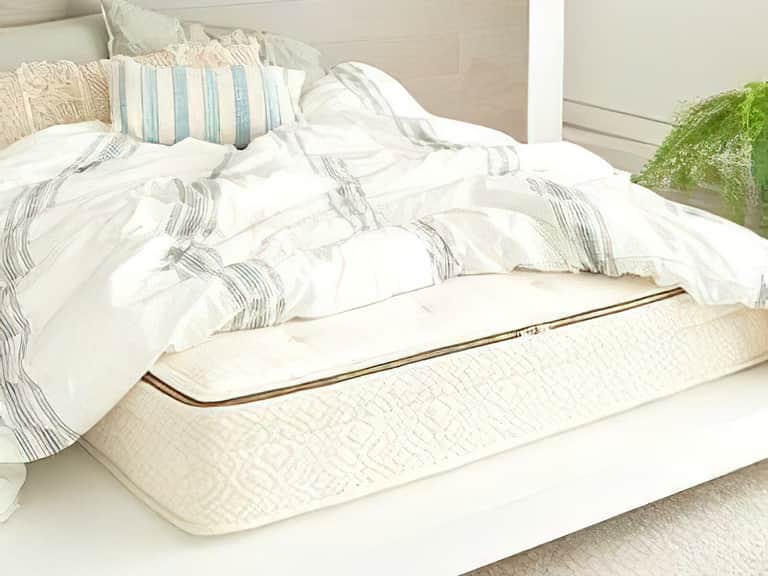
Hybrid mattresses combine coil support with foam or latex comfort layers to deliver a balanced sleeping surface that supports proper spinal alignment while reducing motion transfer. In this category, hybrids like the Naturepedic Azure Hybrid Organic Mattress illustrate how alternating spring systems and breathable materials can promote airflow, pressure relief, and durability for varied sleep styles.
Key features of hybrid models include zoned or pocketed coil configurations that contour to body curves, paired with eco-friendly comfort layers. For example, the Azure Hybrid Organic Mattress uses organic materials and meticulous layering to optimize support under the shoulders and hips, while maintaining a cooler sleep environment through improved ventilation.
Benefits of choosing a hybrid mattress extend to versatility across sleeping positions and changing preferences. The combination of robust edge support, reduced partner disturbance, and responsive transition between soft and firm zones helps reduce tossing and turning, supporting restfulness whether you sleep on your back, side, or stomach.
When evaluating hybrids, consider materials, certifications, and care requirements. The Azure Hybrid Organic Mattress emphasizes natural, low-toxicity components and durable innerspring construction, which can contribute to long-term comfort and stability. Understanding these elements aids in selecting a bed that aligns with personal comfort, health considerations, and sleeping habits.
In the context of bedding ecosystems, hybrid mattresses pair well with complementary textiles such as wool comforters and breathable linens. The interplay between support, temperature regulation, and fabric compatibility enhances overall sleep quality, reinforcing how a well-chosen hybrid mattress supports restful nights and a healthier sleep routine.
 Mattresses